
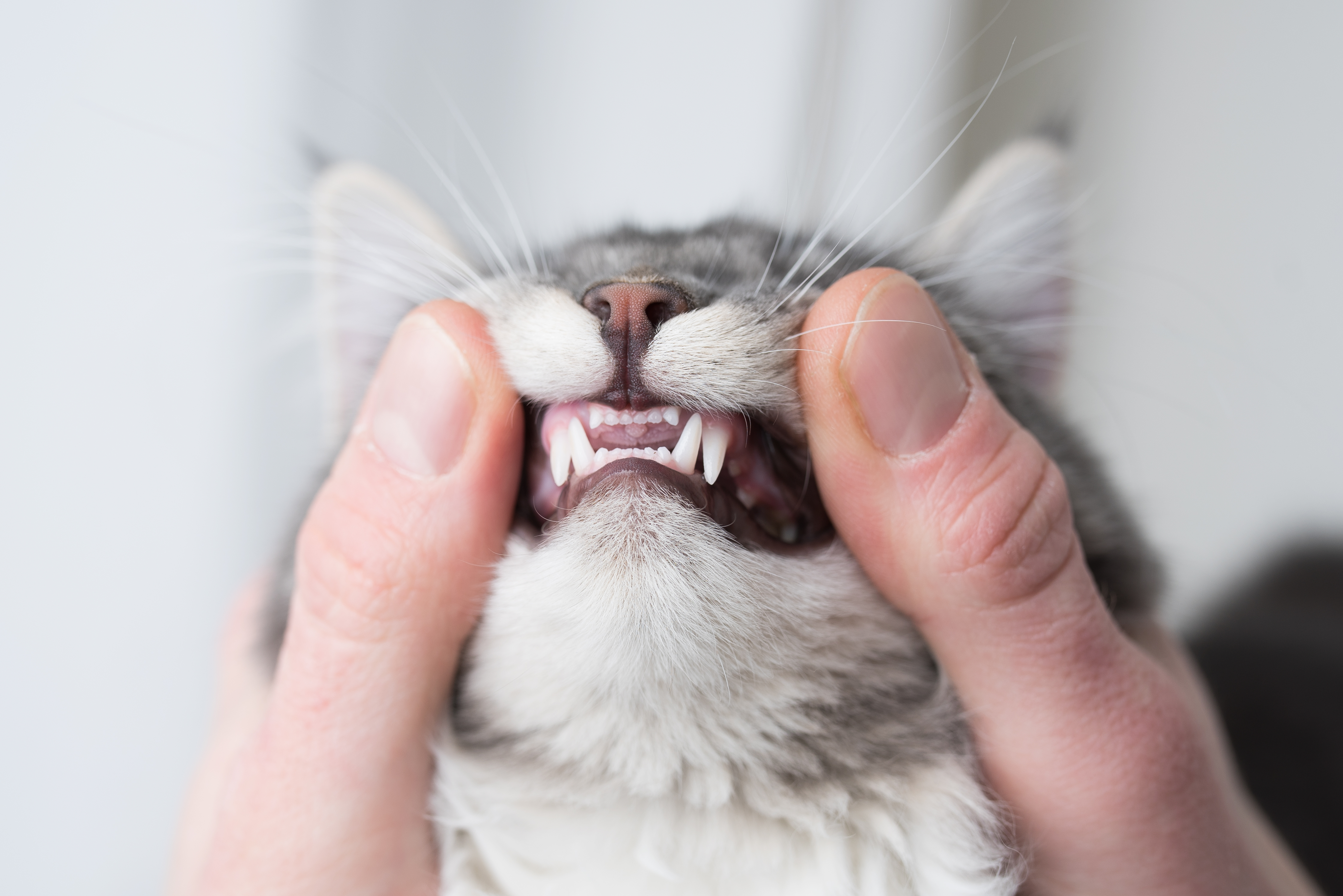
Is Dental Care Important for Pets?
Bad breath in a dog or cat is normal, isn’t it? It’s a fair question, because bad breath is common. It’s also one of the most misunderstood signs we see in veterinary medicine.
From the outside, dental disease can look cosmetic or mildly uncomfortable. In reality, it’s often the first visible sign that something more serious has been quietly developing for months—or even years.
By age three, approximately 80% of dogs and 70% of cats show signs of dental disease. Many of these pets appear perfectly healthy: playful, eating normally, and full of energy. Yet dental exams and radiographs often reveal disease hiding below the gumline.
What We Don’t See Matters More Than What We Do
A quick look at a pet’s teeth during a routine exam provides limited information. Research suggests that up to 60% of dental disease occurs below the gumline, where it cannot be seen without anesthesia and dental X-rays.
We frequently see cases where a pet’s teeth appear acceptable on the surface. Radiographs then reveal advanced bone loss, infection, or abscess formation.
At that point, we’re no longer talking about fresh breath or cosmetic concerns. We’re talking about:
- Chronic pain
- Infection
- Tooth root abscesses
- Bacteria entering the bloodstream
Once bacteria circulate, they can lodge in organs such as the heart, kidneys, and liver. Untreated periodontal disease has been associated with shortened lifespans by as much as five years in some pets.
Size, Species, and Timing Matter
Not all pets develop dental disease at the same rate.
Small-Breed Dogs
Small breeds often accumulate tartar two to three times faster due to tooth crowding. Breeds such as Chihuahuas and Yorkies frequently require cleanings every six months rather than annually.
Cats
Feline dental disease progresses more quietly. By the time a cat shows clear signs like pawing at the mouth or decreased appetite, the disease is often advanced.
Pets with Underlying Conditions
Diabetic pets are at higher risk. Poor dental health worsens glucose control, and poor glucose control worsens gum disease, creating a difficult cycle.
Anesthesia and Why It Matters
One of the most common concerns we hear from pet owners involves anesthesia. That concern is understandable.
However, non-anesthetic dental cleanings cannot:
- Clean beneath the gumline
- Probe for periodontal pockets
- Take full-mouth dental radiographs
Studies show these procedures may leave up to 40% of tartar intact, allowing disease to continue progressing.
Modern anesthesia protocols have significantly improved. Advanced monitoring, improved medications, and individualized planning have reduced anesthesia-related risks by approximately 25% in recent years.
In most cases, the risk of untreated dental disease outweighs the procedural risk.
Home Care Helps — But Has Limits
Daily brushing is the gold standard for home dental care. Even brushing several times per week can reduce disease progression by 50–70%.
VOHC-approved dental chews, treats, and water additives may reduce visible plaque by 20–30%.
What home care cannot do is clean beneath the gumline. These tools are supportive, not curative.
Dental disease is not a failure of effort. It’s a reality of anatomy, bacteria, and time.
So, Is Dental Care Important?
Yes.
Not because every pet needs perfect teeth.
Not because breath needs to be minty fresh.
Dental care matters because dental disease is:
- Common
- Progressive
- Connected to overall health
Early-stage periodontal disease (stages one and two) can often be managed and reversed with professional care. Advanced stages involve permanent bone loss and require damage control rather than prevention.
The difference between those stages can mean the difference between routine maintenance and chronic medical management.
Dental Care for Pets: Quick FAQs
How do I know if my pet has dental disease?
Often, you can’t tell early on. Bad breath, red gums, or tartar buildup may be clues, but many issues occur below the gumline.
Is bad breath a medical issue?
Persistent bad breath usually signals bacterial infection—not just an unpleasant odor.
Do all pets need professional dental cleanings?
Most dogs and cats benefit from cleanings every one to three years. Smaller breeds and seniors often need them more frequently.
Why can’t cleanings be done without anesthesia?
Without anesthesia, it’s impossible to fully clean beneath the gumline or take diagnostic X-rays.
Is anesthesia safe?
Modern monitoring makes dental procedures very safe for most pets.
Does brushing really help?
Yes. Daily brushing is best, but even several times per week significantly slows disease progression.
Are dental chews enough?
They help reduce surface plaque but do not replace professional cleanings.
What happens if dental disease is ignored?
It progresses. Pain, tooth loss, and increased risk of organ damage follow.
Can dental problems be addressed during urgent visits?
Yes. We can assess infection and pain immediately and plan next steps.
Final Thoughts
Dental disease develops quietly—but it will develop without proper care.
The earlier it’s addressed, the easier it is to manage.
If you’re unsure where your pet stands, that uncertainty alone is reason enough to ask. Most dental issues are far more manageable when caught early.
If you have concerns about your pet’s dental health, call (425) 659-2924, email mypetsurgentcare@gmail.com, or request an appointment today. Our Kirkland veterinary team offers same-day medical services and is here to help protect your pet’s long-term health.