Toxic Plants for Pets Commonly Found in the Pacific Northwest
We spend a lot of time talking about typical hazards like chocolate, grapes, and household toxins. What many pet owners across the Pacific Northwest do not realize is that some of the biggest threats may already be growing in their yards.
Some of the most common landscaping plants in the region are also among the most dangerous for dogs and cats.
These plants frequently appear on HOA-approved landscaping lists and garden center displays every spring. At MyPets Veterinary Urgent Care & Wellness, we regularly treat animals experiencing serious symptoms after interacting with toxic plants.
We share this information not to alarm pet owners but to inform them. The Pacific Northwest landscape is beautiful, but biologically complex for pets.
Rhododendrons and Azaleas: More Than a Stomach Ache
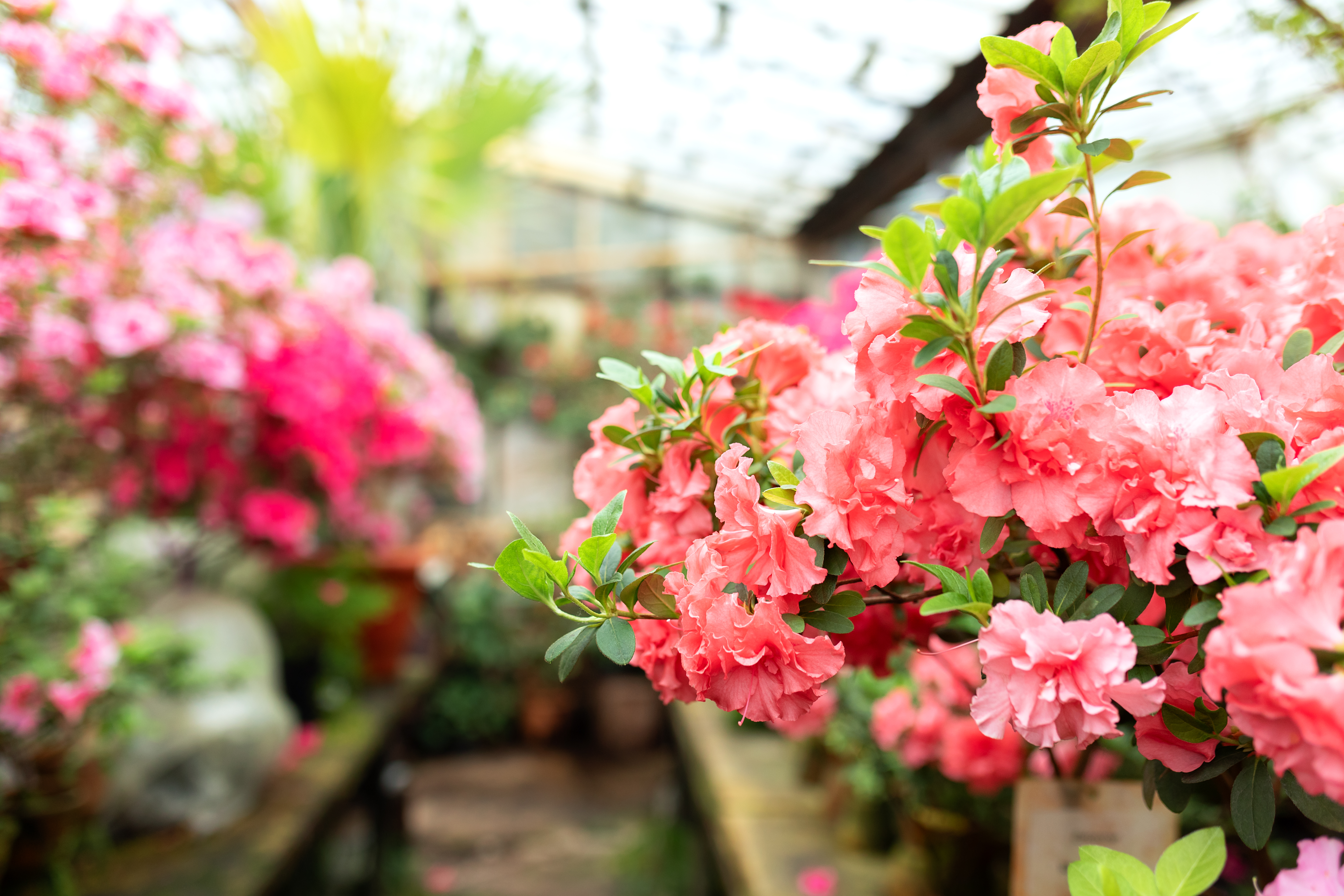
Rhododendrons and azaleas are iconic plants throughout the Pacific Northwest. However, both contain grayanotoxins, compounds that can affect the heart as well as the digestive system.
Approximately 80 percent of canine ingestions result in vomiting and diarrhea, while about 30 percent progress to weakness or cardiac complications.
Grayanotoxins interfere with sodium channels in the heart. On an ECG, veterinarians can observe slowed heart rhythms that owners cannot detect at home.
Early treatment is critical. Inducing vomiting quickly, providing IV fluids, and monitoring heart function allows most pets to recover.
Yew: A Hidden Killer
Yew shrubs are extremely common in Pacific Northwest landscaping. Unfortunately, every part of the plant is toxic, especially the needles and seeds.
The plant contains taxine alkaloids that directly affect the heart. Even a small amount can be fatal to small dogs.
Unlike many toxins, yew poisoning does not reliably cause vomiting. This means the toxin bypasses a natural protective reflex. When symptoms such as collapse or seizures appear, it may already be too late.
There is no safe wait-and-see approach. Suspected ingestion requires immediate veterinary care.
The Danger of Lilies
Each spring, fragrant bouquets return to homes and offices across the region. Unfortunately, certain lilies are extremely dangerous for pets.
Species including Easter lilies, tiger lilies, and daylilies can cause acute kidney failure in cats.
A pet does not even need to eat the plant. Pollen exposure while grooming can trigger severe poisoning.
Kidney values may begin rising within 24 hours. If treatment is delayed beyond 18 hours, mortality rates can reach 30 to 50 percent.
Immediate veterinary care and aggressive IV fluid therapy dramatically improve survival.
Death Cap Mushrooms: A Growing Fall Threat
Autumn brings mushrooms throughout the Pacific Northwest.
One of the most dangerous species is Amanita phalloides, also known as the death cap mushroom. These mushrooms increasingly appear in oak and spruce environments throughout the region.
Dogs are particularly vulnerable because they explore with their mouths.
Toxins from death cap mushrooms are absorbed quickly and attack liver cells. Early symptoms may appear mild but can rapidly progress to liver failure.
If a dog consumes a wild mushroom, contact a veterinarian immediately rather than waiting for symptoms.
Foxglove and Lily of the Valley
Foxglove is a striking ornamental plant that grows along trails and in gardens. However, it contains cardioactive glycosides that disrupt heart rhythm.
Symptoms can appear within hours and include nausea, collapse, and irregular heartbeat.
Lily of the valley contains similar toxins. Even small exposures can cause arrhythmias and seizures.
Both plants require veterinary monitoring and supportive treatment after exposure.
English Holly and English Ivy
English holly berries ripen in the fall and frequently cause gastrointestinal upset in dogs.
English ivy is another common landscaping plant. It contains calcium oxalates that can cause oral irritation, drooling, and vomiting.
Pets who are already dehydrated may face more severe complications.
Bleeding Heart, Tansy, and Devil’s Club
Bleeding heart roots contain alkaloids that can suppress respiration before digestive symptoms appear.
Tansy, which has spread widely along roadsides during recent wet winters, remains toxic even when dried.
Devil’s club presents two risks. Its berries are toxic if eaten, while its thorns can break off and embed in skin or mouths.
Environmental Factors Increasing Plant Risks
Several trends are increasing plant-related poisoning risks for pets in the Pacific Northwest.
The region’s wet climate allows invasive and toxic plants to spread rapidly. Milder falls are extending mushroom seasons. Landscaping patterns are also changing as certain invasive plants are replaced with native species.
Native plants are beneficial for ecosystems but are not always safe for pets.
Steps to Keep Your Pet Safe
Pet owners can reduce risk with a few proactive steps.
- Identify plants in your yard before spring bloom
- Fence off known toxic plants
- Avoid bringing lilies into homes with cats
- Contact your veterinarian immediately after suspected ingestion
- Bring a sample or photo of the plant to help identify the toxin
Here for You and Your Pet
Plant toxicities can escalate quickly. A curious sniff or chew can turn an ordinary day into an emergency.
MyPets Veterinary Urgent Care & Wellness provides same-day urgent and emergency care with minimal wait times. Our hospitalization unit offers continuous monitoring and advanced treatment for pets experiencing kidney, cardiac, or neurological complications.
If you suspect plant toxicity, call us immediately at (425) 659-2924 or email mypetsurgentcare@gmail.com.
The Pacific Northwest is a beautiful place. With the right awareness, we can keep it safe for the pets who explore it with us.