
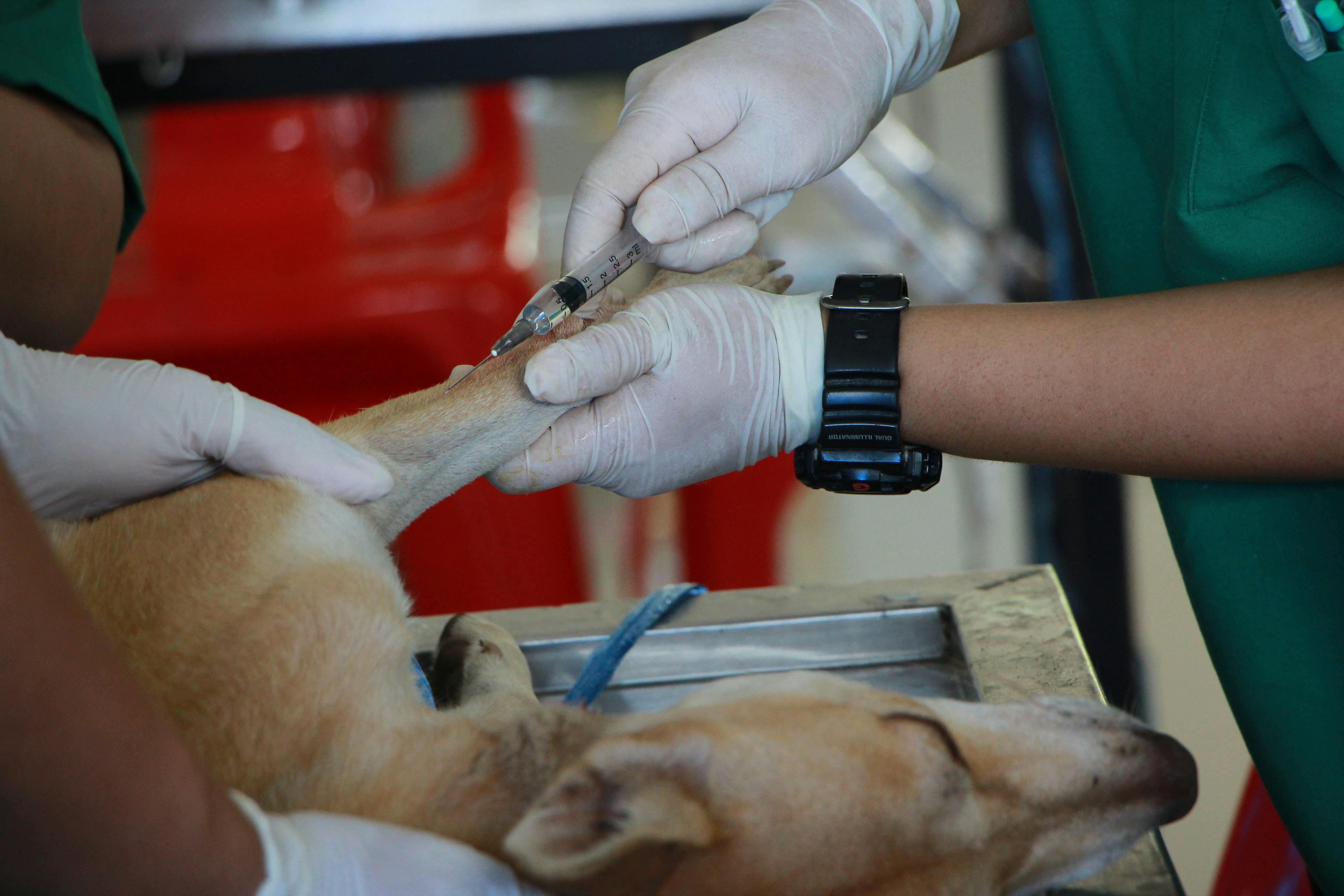
Periodontal Disease Treatment in Kirkland, WA
Protect your pet's smile with proactive gum disease care.
Periodontal disease is one of the most common dental conditions affecting dogs and cats, and it can begin long before pet owners notice obvious symptoms. Early intervention and consistent care are key to managing this chronic condition and protecting your pet's comfort and quality of life.
Why Periodontal Disease Treatment Is Important
Periodontal disease is one of the most common dental conditions affecting dogs and cats, and it can begin long before pet owners notice obvious symptoms. Plaque and bacteria build up along and below the gumline, causing inflammation that can eventually damage the gums, tooth-supporting tissues, and bone.
Without treatment, periodontal disease can lead to chronic oral pain, infection, loose or lost teeth, and a reduced quality of life. Because many pets continue eating and behaving normally despite dental discomfort, routine oral examinations and timely treatment are important for identifying and addressing periodontal disease before it becomes more advanced.
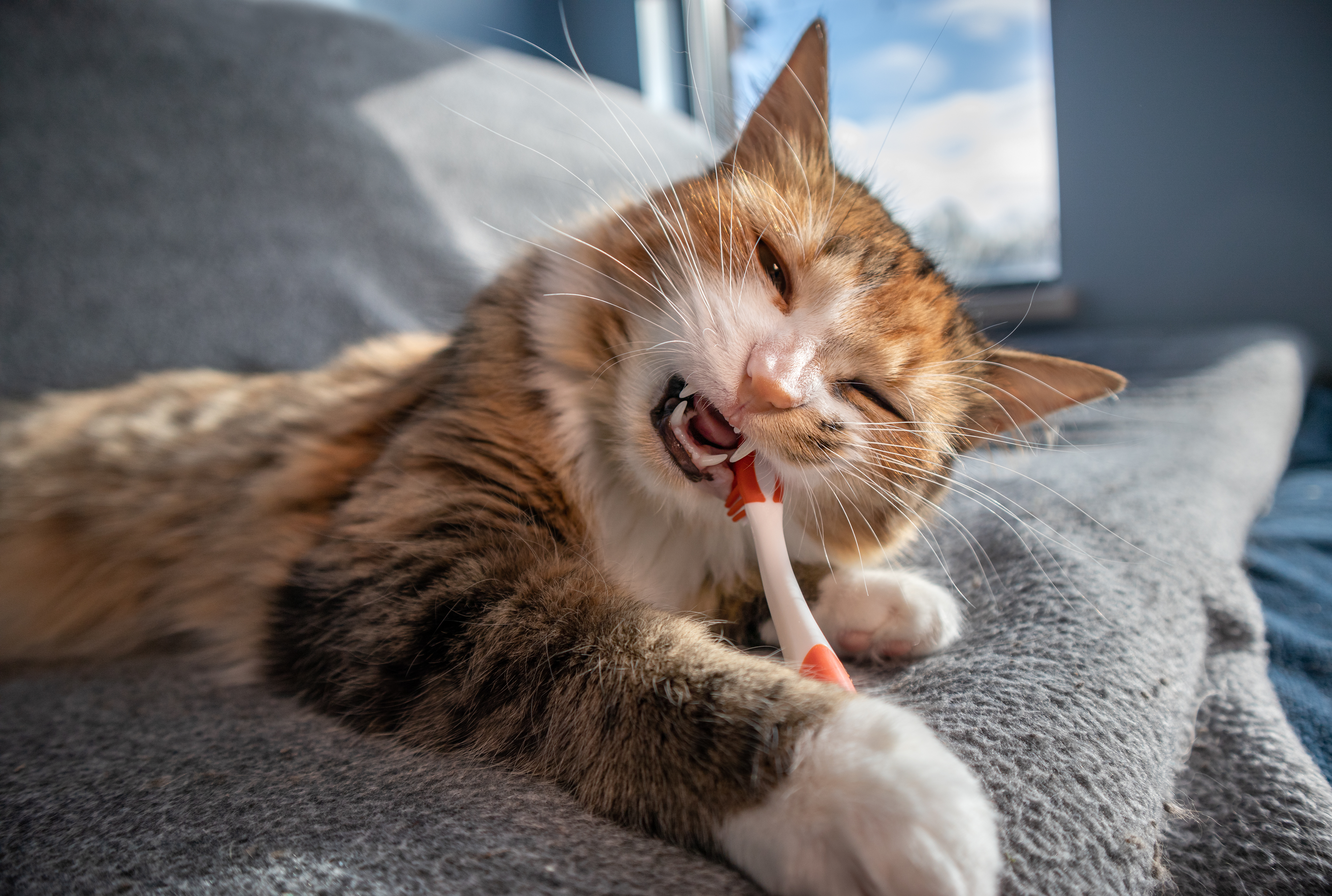
Signs of Periodontal Disease in Dogs and Cats
Periodontal disease can be difficult to recognize at home, particularly in its early stages. Bad breath is often one of the first noticeable signs, while more advanced disease may cause red or swollen gums, visible tartar, bleeding, excessive drooling, difficulty chewing, dropping food, eating on one side of the mouth, or loose teeth.
Some pets may show few outward symptoms even when disease is present below the gumline. If you notice changes in your pet's breath, gums, teeth, or eating habits, a veterinary dental examination can help determine whether periodontal disease or another oral health problem is responsible.
How Periodontal Disease Is Treated
Treatment for periodontal disease depends on how far the condition has progressed and which teeth and supporting tissues are affected. A complete dental evaluation may include an oral examination, periodontal probing, dental X-rays to evaluate structures below the gumline, and professional scaling and polishing under anesthesia.
Early disease may be managed by thoroughly removing plaque and tartar above and below the gumline, while more advanced periodontal disease can require additional periodontal treatment or extraction of teeth that can no longer be saved. At MyPets Veterinary Urgent Care & Wellness in Kirkland, our veterinary team can evaluate your pet's oral health and develop a treatment plan based on their individual dental needs.
Our Services
Specialized care tailored for your pet
Periodontal Probing & X-rays
Evaluate the gums, tooth roots, and bone below the gumline to accurately assess disease.
Scaling & Polishing
Thoroughly remove plaque and tartar above and below the gumline under anesthesia.
Advanced Periodontal Therapy
Additional treatment or extraction of teeth that can no longer be saved.
Home Care Plans
Custom routines to help control plaque and slow disease between cleanings.
Frequently Asked Questions
Common questions about our services
What is periodontal disease in dogs and cats?
Periodontal disease is inflammation and infection of the tissues surrounding and supporting the teeth. It begins with plaque and gingivitis and can progress below the gumline, eventually damaging the structures and bone that hold teeth in place.
What are the signs of periodontal disease in pets?
Common signs include bad breath, red or swollen gums, tartar buildup, bleeding gums, drooling, difficulty chewing, dropping food, loose teeth, or changes in eating habits. However, pets can have periodontal disease without showing obvious symptoms.
Can periodontal disease be painful for dogs and cats?
Yes. As periodontal disease progresses, inflammation, infection, damaged tissues, and diseased teeth can cause significant oral pain. Pets often hide dental discomfort, so the absence of obvious pain does not necessarily mean their mouth is healthy.
How is periodontal disease diagnosed in pets?
A veterinarian evaluates the teeth and gums for signs of disease. A complete dental assessment may also involve periodontal probing and dental X-rays, which allow the veterinarian to evaluate tooth roots, bone, and other structures that cannot be seen during a visual examination alone.
Does periodontal disease treatment require anesthesia?
Professional periodontal treatment is generally performed under anesthesia so the veterinary team can safely examine the entire mouth, take dental X-rays, and thoroughly clean above and below the gumline. MyPets performs its professional dental cleanings under general anesthesia.
Will my pet need teeth extracted because of periodontal disease?
Not necessarily. Treatment depends on the severity of the disease and the condition of each tooth. Earlier stages may be treated with professional cleaning and periodontal therapy, while severely damaged teeth with significant loss of supporting tissue may need to be extracted.
Can periodontal disease come back after treatment?
Yes. Plaque begins accumulating again after a dental cleaning, which makes ongoing preventive care important. Regular veterinary dental evaluations combined with appropriate at-home dental care can help slow plaque accumulation and reduce the risk of periodontal disease progressing or returning.
How can I help prevent periodontal disease in my pet?
Regular veterinary dental examinations and professional cleanings when recommended are important, but home care also plays a major role. Depending on your pet, your veterinarian may recommend regular tooth brushing, approved dental chews, dental diets, or other oral-care products to help control plaque between professional cleanings.
Start a Periodontal Care Plan
Schedule an evaluation to discuss treatment options for your pet.
Other Dental Care Services
Oral Surgery
Advanced oral surgical procedures including tumor removal and jaw repair.
Learn more about Oral SurgeryProfessional Dental Cleanings
Comprehensive dental cleanings under anesthesia with ultrasonic scaling and polishing.
Learn more about Professional Dental CleaningsOral Health Examinations
Thorough oral examinations to assess dental health and identify potential problems.
Learn more about Oral Health ExaminationsOther Core Services
Kitten Care
Complete kitten care services from initial exams to spay/neuter
Learn more about Kitten CareDiagnostics & Imaging
Advanced diagnostic testing and imaging services
Learn more about Diagnostics & ImagingEnd-of-Life & Palliative Care
Compassionate end-of-life care and support for families
Learn more about End-of-Life & Palliative CarePuppy Parasite Prevention & Treatment
Comprehensive flea, tick, heartworm, and intestinal parasite control programs.
Learn more about Puppy Parasite Prevention & TreatmentPoisoning & Toxicity
Emergency treatment for ingestion of toxic substances, foods, or medications.
Learn more about Poisoning & ToxicityLaser Surgery
Precision tissue cutting with reduced bleeding and swelling.
Learn more about Laser Surgery