Common Household Emergencies & What to Do Before You Call the Vet
As parents of fur babies, we always ensure our pets are safe and well taken care of. However, there are situations where no matter how careful or attentive we are, things go wrong that aren’t in our control. Emergencies don’t necessarily always happen when you’re hiking or walking on busy roads with your pup - most often they happen right at home!
A dropped bottle of Ibuprofen, a piece of chocolate left in your purse, a puppy accidentally swallowing a piece of a toy, or a curious kitten nibbling on a lily can manifest into a medical emergency you didn’t see coming. Knowing what to do in the first few minutes of something going wrong is what makes all the difference in your pet’s outcome.
Immediate veterinary care is essential; however, taking the right steps before you call the vet can help your veterinary team act faster and more effectively to save your pet.
Household Emergencies: More Common Than You Think
According to the ASPCA Animal Poison Control Center, over-the-counter medications accounted for 16.5% of all pet toxin exposure cases in 2024. Human foods and drinks followed closely behind at 16.1%, while white chocolate alone represented 13.6% of exposures.
These stats highlight an important reality: the biggest threats to pets are often everyday items found in kitchens, bathrooms, and living rooms.
But there is good news. Many of these emergencies are preventable, and knowing how to respond quickly can improve outcomes significantly.
Household Items to Keep Away from Your Pet
Here are eight examples of items and scenarios to watch out for and keep your furry friend safe at home.
Medications
Human medications are the number one household toxin and can really harm your pet. Just because they are safe for humans doesn’t mean they’ll be okay for your pet. Common medications to be mindful of include:
- Ibuprofen
- Acetaminophen
- Antidepressants
- ADHD medications
- Sleep aids
- Prescription pain medications
Even a single pill swallowed can cause serious complications, depending on your pet’s size and the medication involved.
What to do before calling the vet?
- Immediately remove any remaining medication from your pet’s reach
- Determine what medication was ingested
- Estimate how many pills are missing
- Note the time of the exposure
- Have the medication packaging available when you call
Do not induce vomiting until instructed by your veterinarian or poison control expert.
Chocolate and Other Foods
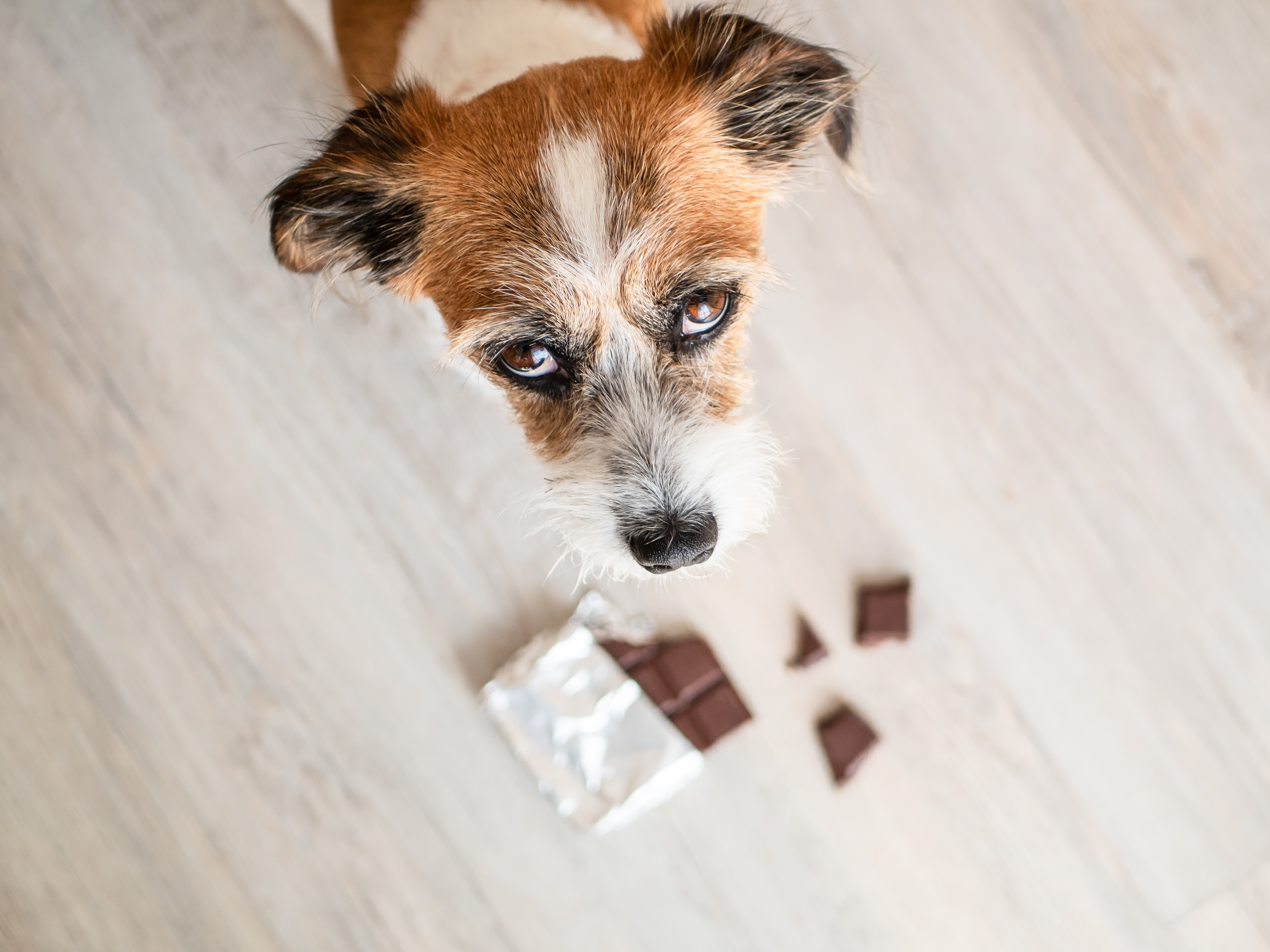
Most pet owners know that chocolate is dangerous to dogs, but they might not realize how serious chocolate toxicity can become. Dark chocolate and baking chocolate, especially, contain higher concentrations of toxic compounds and pose the greatest risk.
According to the Merck Veterinary Manual, signs of chocolate poisoning can include:
- Vomiting
- Diarrhea
- Increased thirst
- Rapid heart rate
- Restlessness
- Tremors and seizures
Other foods to avoid:
- Grapes and raisins
- Onions and garlic
- Macadamia nuts
- Alcohol
- Fatty foods
- Products containing xylitol
What to do before calling the vet?
- Identify what exactly was consumed by your pet
- Save any wrappers or ingredient labels
- Estimate the amount eaten
- Monitor your pet closely for symptoms
The sooner your vet has this information, the faster they can determine the appropriate treatment plan.
Xylitol Poisoning
An extremely common sugar substitute, xylitol is commonly found in sugar-free gum, breath mints, peanut butter, baked goods, and certain medications and dental products.
The FDA warns that dogs can become seriously ill within minutes of consuming xylitol and can cause life-threatening drops in blood sugar and liver failure.
Signs of xylitol poisoning include:
- Vomiting
- Weakness
- Loss of coordination
- Collapse and seizures
What to do before calling the vet?
- You need to contact your vet ASAP
- Save the product packaging
- Don’t wait too long for symptoms to develop
- Avoid giving food or inducing vomiting unless specifically instructed
Acting fast is critical in saving your pet.
Toxic Plants
Flowers are a pretty addition to the home; however, some plants are known to be deadly to pets - especially cats. Lilies, for example, are among the most dangerous. Other plants that pose serious risks include Holly, Mistletoe, Poinsettia, and Amaryllis.
Recent research involving cats has shown that nearly half of the cats that were exposed to lilies developed acute kidney injury. The cats that received prompt veterinary treatment had significantly improved survival rates.
What to do before calling the vet?
- Remove any remaining plant material
- Take photos of the plant
- Bring a sample if possible
- Seek veterinary guidance immediately
Household Cleaners and Essential Oils
Cleaning products are often overlooked when it comes to pet poisoning. Certain essential oils, including tea tree, wintergreen, peppermint, and pine oils, can be harmful when inhaled, ingested, or absorbed through the skin. Pets can also be exposed to bleach, disinfectants, laundry pods, and drain cleaners that can all cause harm.
What to do before calling the vet?
- Remove your pet from the exposure area
- Rinse affected skin if directed by your vet
- Bring the product label with you
- Do not administer home remedies
Attempting to treat chemical exposures without professional guidance could worsen the situation.
Foreign Objects
Puppies and kittens love exploring the world with their mouths, but even adult pets can swallow things they shouldn’t. Foreign bodies like socks, hair ties, ribbons, bones, and corn cobs can cause blockage and digestive issues in pets. Cats are particularly vulnerable to complications from linear objects like thread or ribbon.
Signs of obstruction include:
- Vomiting
- Loss of appetite
- Abdominal pain
- Lethargy
- Straining to defecate
What to do before calling the vet?
- Do not pull the string from your pet’s mouth or rectum
- Prevent further access to similar objects
- Note when symptoms began
- Seek vet care promptly
Button Batteries and Small Toy Parts
Button battery ingestion is one of the fastest-moving household emergencies veterinarians encounter. Pets can swallow these batteries from remote controls, watches, and toys. Studies have shown that significant tissue damage can begin within hours.
What to do before calling the vet?
- Seek emergency veterinary care immediately
- Do not induce vomiting
- Bring identical batteries or packaging if available
- Notify the veterinary team before arrival
Heatstroke
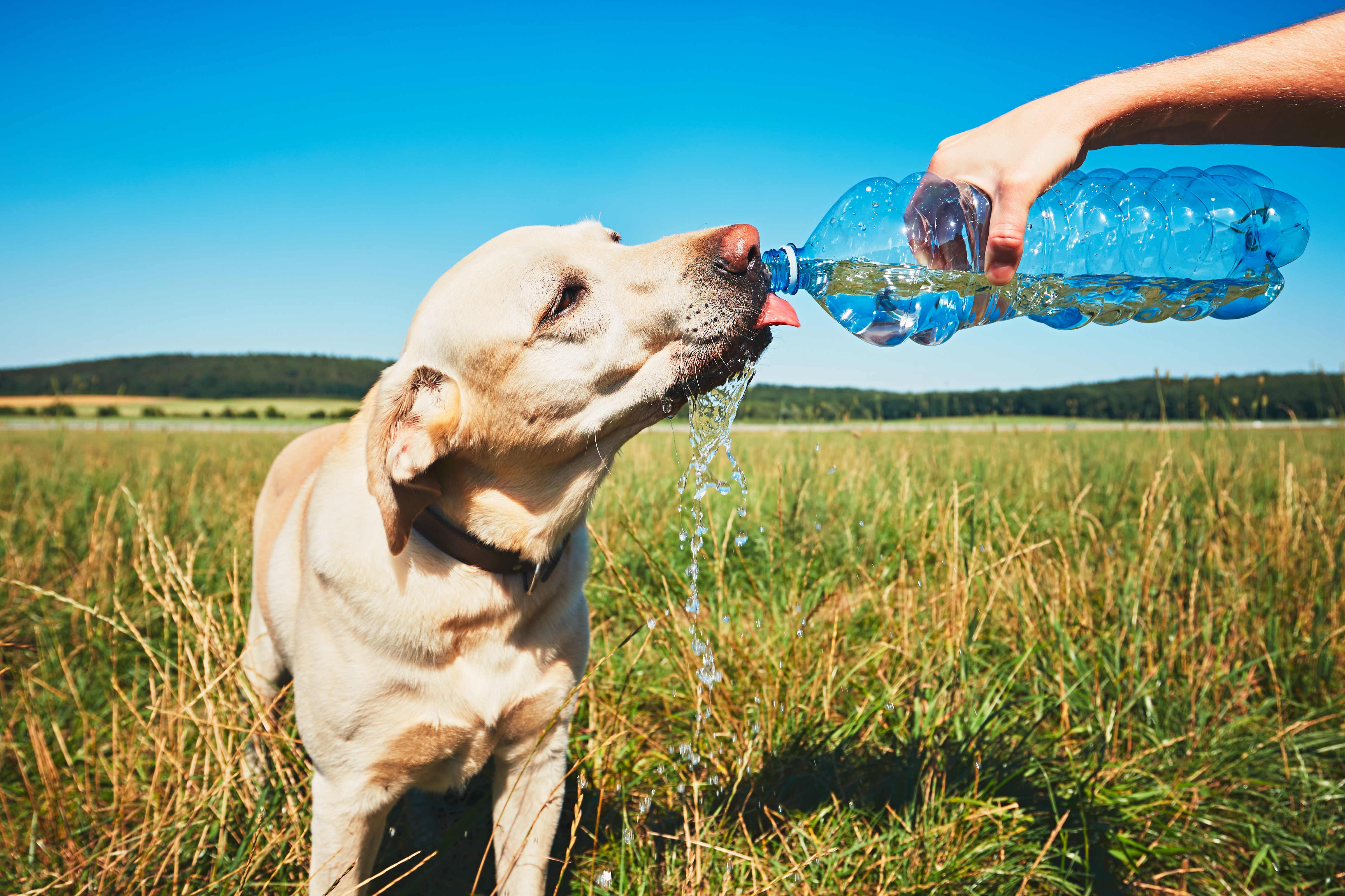
Heat-related illness can occur more quickly than many pet owners realize. Dogs left outdoors, exercised during hot weather, or confined in vehicles in the heat are vulnerable.
Watch out for signs of heatstroke:
- Excessive panting
- Bright red gums
- Drooling
- Vomiting
- Weakness
- Collapse
What to do before calling the vet?
- Move your pet to a cool environment
- Use cool - not ice cold - water to begin cooling
- Offer small amounts of water if your pet is alert
- Turn on the car’s air conditioning during transport
Even if your pet shows signs of improvement, veterinary evaluation is crucial because complications often develop later.
What NOT to Do During an Emergency
It’s tempting to try home remedies, especially when you start to panic.
However, veterinary experts often advise against certain remedies like inducing vomiting, giving milk, offering over-the-counter medications, and administering activated charcoal. In some situations, these interventions can make the problem worse.
Information to Have Before Calling
When contacting your vet, make sure to have the following information available to save valuable time. The more details you can provide, the more effectively your veterinary team can guide you.
Be prepared to provide:
- Your pet’s age and weight
- Current symptoms
- What was ingested or encountered
- How much exposure they may have had
- When the incident happened
- Photos of products or packaging
Prevention is Key
Not every emergency can be avoided, but many household accidents are preventable. Creating a pet-safe environment helps reduce the risk of unexpected emergencies.
Simple strategies include:
- Storing medications securely
- Keeping toxic foods out of reach
- Researching pet-safe plants
- Supervising pets around toys
- Securing trash cans
- Reading ingredient labels carefully
When in Doubt, Always Call
One of the most important takeaways is that if you’re unsure whether something is an emergency, it’s always better to call your vet and ask.
Don’t wait to seek professional guidance, especially if your pet is experiencing potential poisoning, foreign body ingestions, heat-related illness, or shows sudden changes in behaviour.