Oral Health Examinations for Your Dog or Cat in Kirkland, WA
Catching dental disease early keeps your pet out of pain and living a healthier life.
Why Oral Health Examinations Matter
A routine oral exam is one of the best ways to catch dental disease before it turns painful or leads to bigger health problems in pets.
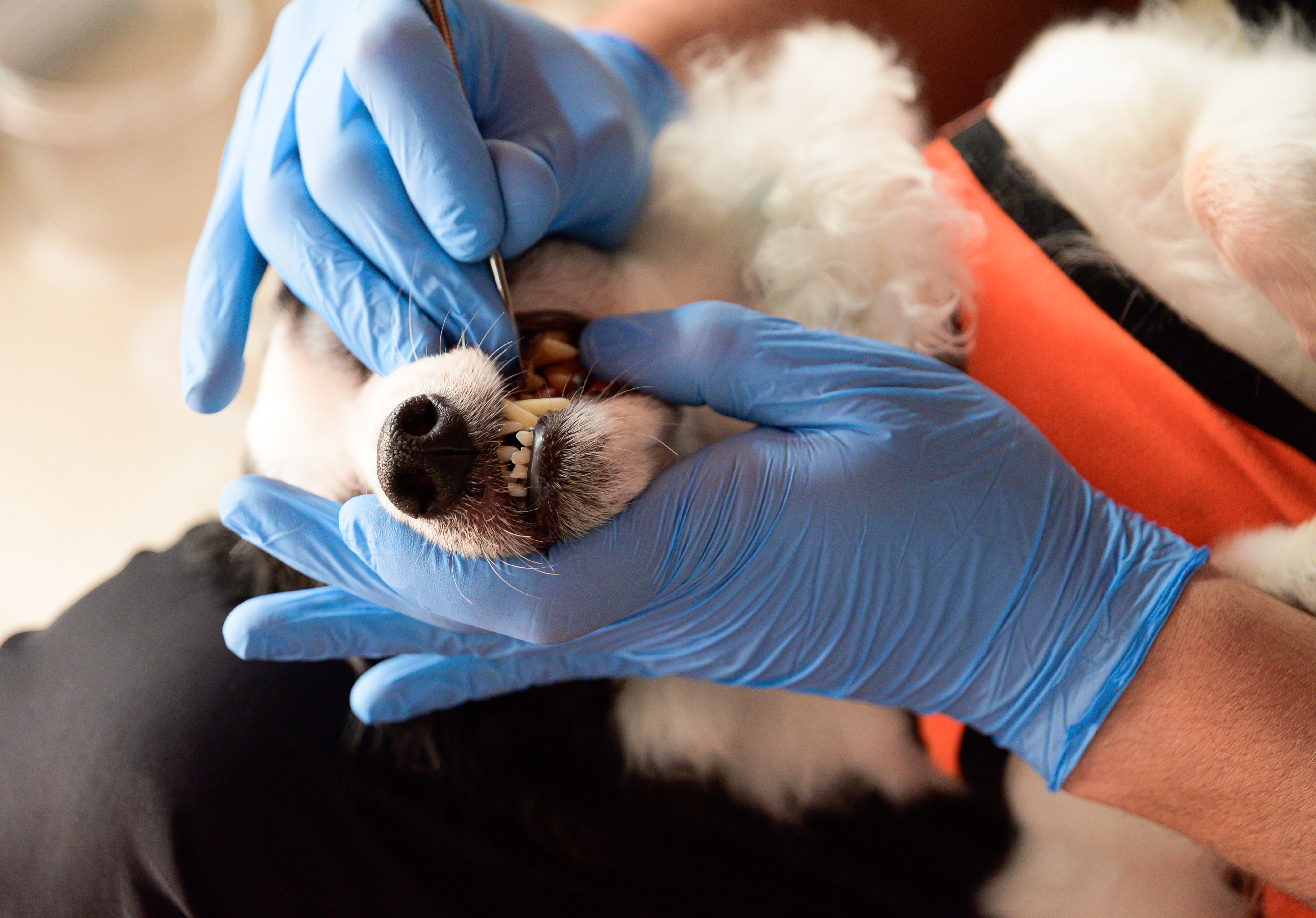
During your pet's exam, our veterinary team checks their teeth, gums, tongue, jaw, and the rest of their mouth for plaque buildup, tartar, gingivitis, fractured teeth, loose teeth, oral masses, and any other signs something's wrong.
A lot of dental problems start below the gum line or build up slowly, so your pet may not show any signs until the disease has already progressed.
That's why regular exams matter. They let us recommend the right preventive care or treatment before things get worse.
Catching problems early can keep your pet from having a more complicated dental issue, provide faster relief from discomfort, and support better overall health because untreated dental diseases can affect more than just the mouth.
What to Expect During an Oral Health Examination
Your pet's oral exam starts with a hands-on check of their mouth, whether that's part of a wellness visit or a dental consultation.
We look at the condition of their teeth and gums and check for inflammation or infection. Then we assess their bite and jaw function and watch for any signs of oral pain or disease. If we spot something that can't be fully checked while your pet is awake, we may recommend a fully anesthetized dental exam with digital dental x-rays.
Once the exam is done, we'll walk you through what we found, answer any questions you have, and map out next steps together. Whether your pet just needs better at-home care, a professional cleaning, or treatment for more advanced dental disease, you'll leave with a care plan built around them, one that keeps their mouth healthy and comfortable for years to come.
Our Services
Specialized care tailored for your pet
Comprehensive Exams
Evaluation of teeth, gums, and oral tissues.
Dental Charting
Documenting findings for ongoing monitoring.
Treatment Planning
Customized recommendations for any issues found.
Preventive Advice
Guidance to reduce future dental problems.
Frequently Asked Questions
Common questions about our services
How often should my pet have an oral health examination?
Dogs and cats should get an oral exam at least once a year, usually during their annual wellness visit. If you have a senior pet or one with existing dental disease, more frequent checkups can help catch problems sooner.
What signs indicate my pet may have dental problems?
Watch for bad breath, red or swollen gums, trouble chewing, excessive drooling, pawing at the mouth, loose teeth, a drop in appetite, or swelling in the face. Any of these can point to dental disease.
Can dental disease exist even if my pet is eating normally?
Yes. A lot of pets keep eating even when they're in real dental pain because it's instinct for them to hide discomfort. That's exactly why routine exams matter; they catch what you can't see at home.
Why can't my veterinarian fully examine my pet's teeth while they're awake?
During an awake exam, we can only assess what's visible. Many dental problems hide below the gum line or on the inside surfaces of the teeth, so a full evaluation usually requires anesthesia and dental x-rays to see the whole picture.
Are dental X-rays necessary?
Yes, in most cases. Digital dental x-rays let us check tooth roots, bone loss, abscesses, fractures, and other conditions a visual exam alone just can't catch.
What happens if dental disease is found during the examination?
It depends on how severe it is. We might recommend better at-home care, a professional cleaning, a tooth extraction, or another treatment to get your pet's mouth back to healthy.
Does bad breath always mean my pet has dental disease?
Not always, but it's usually a red flag. Persistent bad breath is most often caused by plaque and periodontal disease, though it can also point to other health issues. An oral exam helps us figure out what's really going on.
How can I help keep my pet's mouth healthy between exams?
Regular tooth brushing, vet-approved dental chews, dental diets, water additives when they're a good fit, and routine professional exams all go a long way in keeping your pet's mouth healthy between visits.
Other Dental Care Services
Pain Management
Comprehensive pain control for dental procedures and oral conditions.
Learn more about Pain ManagementPeriodontal Disease Treatment
Treatment and management of gum disease and periodontal conditions.
Learn more about Periodontal Disease TreatmentDental Health Counseling
Education on at-home dental care and oral hygiene maintenance.
Learn more about Dental Health CounselingOther Core Services
Puppy Care
Specialized care for your new puppy from first exams to vaccinations
Learn more about Puppy CareInternal Medicine & Chronic Disease Care
Specialized care for chronic conditions and internal medicine
Learn more about Internal Medicine & Chronic Disease CareKitten Care
Complete kitten care services from initial exams to spay/neuter
Learn more about Kitten CareRespiratory Distress
Critical care for breathing difficulties, choking, and respiratory emergencies.
Learn more about Respiratory DistressUltrasound Imaging
Non-invasive scanning of the abdomen and heart for detailed evaluation.
Learn more about Ultrasound ImagingWeight & Nutritional Counseling
Dietary guidance and weight management programs for optimal health.
Learn more about Weight & Nutritional Counseling