

Pet Microchipping in Kirkland, WA
Permanent identification to improve the chances of recovering a lost pet.
A microchip gives your pet permanent, reliable identification that a collar can't provide. If your pet gets lost, a quick scan at a veterinary clinic, shelter, or animal control facility can help bring them back to you.
During your visit, we'll explain how microchipping works, what information is connected to the chip, why registration matters, and how it helps reunite lost pets with their families. We're here to make microchipping easy, comfortable, and stress-free for you and your pet.
Why Microchipping Matters in the Pacific Northwest
The Pacific Northwest gives pets plenty of places to explore, including hiking trails, dog parks, and waterfront paths. Though outdoor spaces make the region special, they also increase the risk of pets slipping away, becoming startled, or getting separated from their families.
In the Kirkland and Greater Seattle area, veterinary clinics, animal shelters, and animal control teams routinely scan found pets for microchips. When a microchip is registered with your current contact information, these organizations have a fast and reliable way to identify your pet and contact you.
Microchipping isn't just for outdoor pets. Indoor pets can also escape through an open door, a damaged screen, during construction, or other unexpected situations.
Keeping Your Pet's Microchip Information Current
A microchip is only effective if your registration information is accurate. If you move, change your phone number, update your email address, or transfer ownership of your pet, be sure to update your microchip registration as soon as possible.
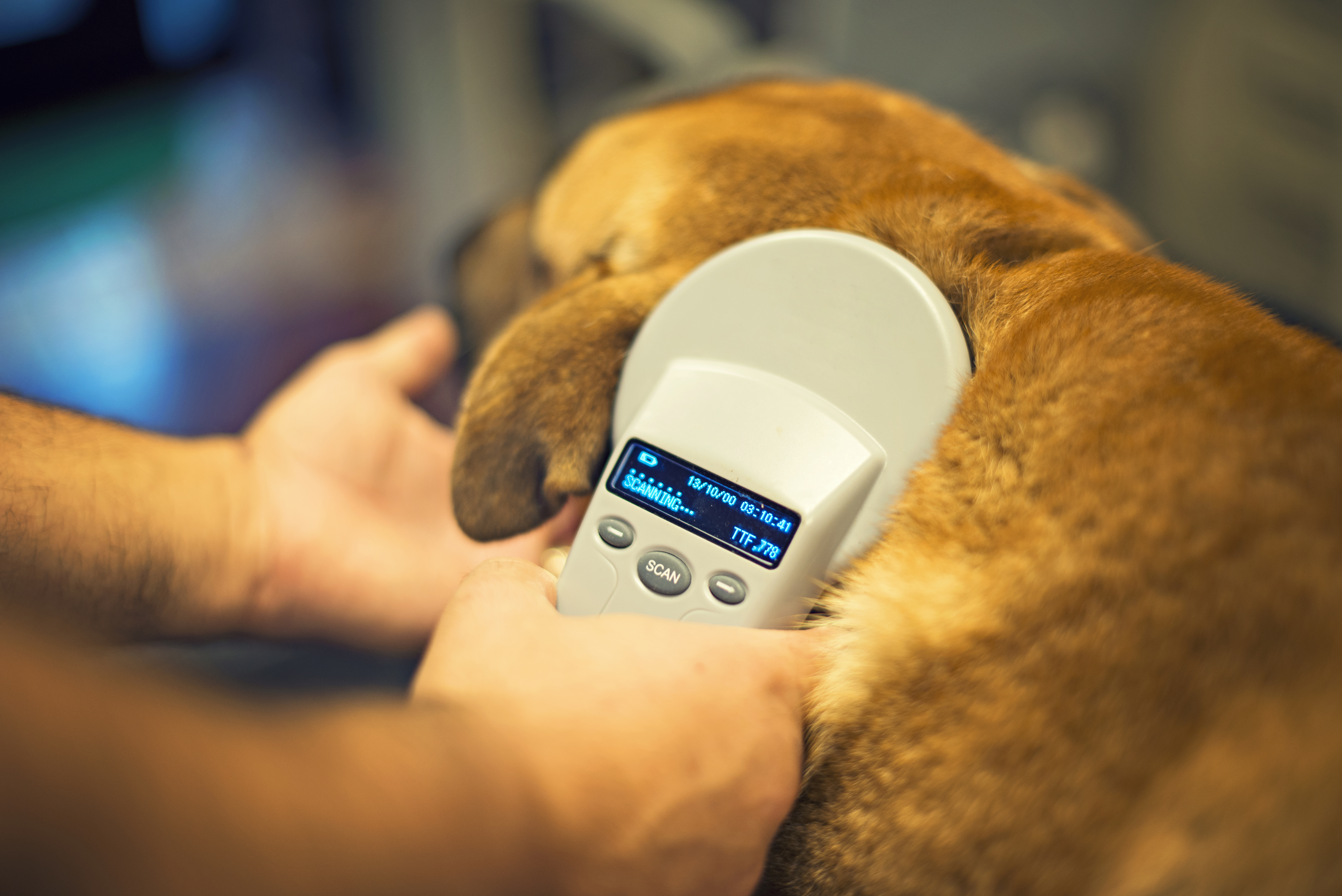
Our team can scan your pet's microchip, verify the chip number, and guide you through the registration process. We also recommend scanning your pet's microchip during annual wellness visits to make sure it's still detectable and that your records remain current.
Taking just a few minutes to keep your information up to date can make a big difference if your pet is ever lost and brought to a shelter, veterinary clinic, or animal control facility.
Our Microchipping Services
Quick Microchip Placement
Simple injection under the skin for lifetime ID.
Registration Assistance
We handle paperwork to keep your info current.
Lost Pet Recovery
Scannable chips help shelters contact you.
Peace of Mind
Know your pet can be identified if ever lost.
Microchipping FAQs
Does microchipping hurt?
Most pets tolerate microchipping very well. Inserting a microchip is similar to a routine vaccination because it's placed just beneath the skin with a sterile needle and only takes a few seconds.
Is a collar tag enough?
Though we still recommend using collars and ID tags, they can break or fall off. A microchip acts as backup identification, staying with your pet for life.
Can a microchip track my pet's location?
No. A pet microchip isn't a GPS tracker and can't show your pet's location. It only stores a unique identification number that can be read by a scanner at veterinary clinics, shelters, and animal control facilities. The number is linked to your registration record, so you can be contacted if your pet is found.
How long does a microchip last?
Microchips last for your pet's lifetime and don't need batteries, charging, or routine maintenance. We recommend having your pet's microchip scanned during wellness visits to confirm it's still detectable.
At what age can my puppy or kitten be microchipped?
Puppies and kittens can be microchipped when they're still young, often during an early wellness visit or at the time of spay or neuter surgery. Your veterinarian can recommend the best time based on your pet's age, size, and overall health.
Do indoor pets need microchips?
Yes. Indoor pets can slip out through an open door or damaged screen or become startled during loud noises, travel, or emergencies. A microchip provides permanent identification if they ever become lost.
What happens if my lost pet is found?
When a lost pet is brought to a veterinary clinic, shelter, or animal control facility, staff scan them for a microchip. If they find one, they use the identification number to access the registration record and contact the owner.
Do I need to register my pet's microchip?
Yes. You should register your pet's microchip with your current contact information for it to be effective. If you move, change your phone number, transfer ownership, or update your email address, be sure to update your registration as soon as possible.
Schedule a Microchipping Appointment
Other Preventive Care Services
Vaccinations & Boosters
Core and non-core vaccines tailored to your pet's lifestyle and risk factors.
Learn more about Vaccinations & BoostersAnnual Wellness Exams
Comprehensive physical examinations to detect health issues early and maintain optimal health.
Learn more about Annual Wellness ExamsParasite Prevention
Protection against fleas, ticks, heartworms, and intestinal parasites.
Learn more about Parasite PreventionOther Core Services
Urgent & Emergency Care
Immediate care for urgent medical situations and emergencies
Learn more about Urgent & Emergency CareDiagnostics & Imaging
Advanced diagnostic testing and imaging services
Learn more about Diagnostics & ImagingInternal Medicine & Chronic Disease Care
Specialized care for chronic conditions and internal medicine
Learn more about Internal Medicine & Chronic Disease CareOrthopedic Surgery
Fracture repair and joint stabilization for active pets.
Learn more about Orthopedic SurgeryAftercare & Cremation
Respectful cremation services and memorial options.
Learn more about Aftercare & CremationPreventive Dental Care
Home dental care education and preventive treatment plans.
Learn more about Preventive Dental Care